Wednesday, September 19, 2007

Working Hours, Machines and Unemployment

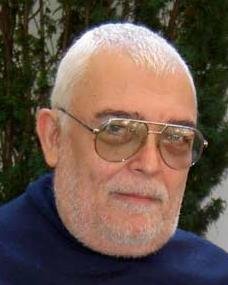
Albert Frank Headshot by Albert Frank

Machines such as computers and robots have been conceived to help man, not to give him problems. But, what happens? Currently they are causing unemployment! It is certainly not their fault, but this sad situation requires that we consider an alteration of the present system.

To do a specific task ten hours would have been required thirty years ago (as an example). Now, with the help of machines, five hours are enough. Therefore, for the same productivity, instead of 38 hours per week -- the predominant European standard work week -- only 19 hours are needed. (There will be a few more in total to take into account the maintenance of the machines.) This is magnificent: thanks to machines, it should be possible for people to work only half as long to get the same result. It should be a big success! (We won't digress here on a discussion of the problems of a civilisation of leisure.)

What happens in practice, however? Now we encounter imposed work hours -- the number of hours per week just to "be there" in the office, for instance, or a laboratory -- rather than what must be accomplished. And, thanks to machines, now one man or woman can, during the course of this time interval, produce what would have required two people -- one of the two of whom has lost his job in the name of efficiency! So, machines are now perceived as man's enemies! This perspective may seem simplistic, but there are so many examples: to produce an invoice, sell an airline ticket, print an article, etc..

And it doesn't seem to stop: Competition (with a capital C), the "taboo" of violating work hours to maintain the respect of peers, the fear (!) of being replaced by a machine that is "faster and more efficient". And what about the value of the shares of company stock -- if "we are not 'Number One', then what?" How many people are required for maximum "efficiency" (I don't like this term), if they were allowed to work at their own pace in executing the given tasks?

I will finish by giving an example from my own fond memories: In 1975, I was responsible for the schedules of the National University of Zaire, Campus of Kisangani. The yearly schedule required consideration of a mass of data. (This included lists of those on sabbatical, visiting professors, reorganizations, classroom facilities with class sizes ranging from 20 to 800 students per room, etc.. In one week, I had performed the scheduling of everyone at the university for an entire year. There were a few hundred Professors and students represented and all were satisfied.

When the Chief of Staff of the university and I convened, he said, "Albert, you performed an effort that would 'normally' have taken two months; therefore, I am giving you seven weeks of holiday." Life would be beautiful if it was always -- or at least sometimes -- like that, wouldn't it?

an early blogger
An early blogger.

Read More...

Sunday, September 16, 2007

Fundamental Requirements in Building Physical Theories

An Original Research Essay

Frank Luger headshot by Frank Luger

As mentioned in some of my previous essays the philosophy of science requires that any physical theory worth its salt must be built around at least potential observability and must obey the reduction principle, i.e. be capable of being shown to rest on established theories. These are logical requirements based on the consistency of Nature. However, if one approaches theory building in physics from the physical rather than the philosophical side, there are some other principles to obey; and these principles are sine qua nonrequirements of proper physical theories, in the sense of transcending any particular theory. Collectively, they may be called symmetry and conservation laws; and they directly rest upon invariances, which are independent of time and space and which are also based on the consistency of Nature. The difference is that while the philo-sophical requirements are a priori, that is, "dic-tated" by induction and synthesis; the physical requirements are a posteriori, that is, dictated by deduction and analysis of actual data. For the present heuristic purposes, let us concentrate on the latter kinds1.

Symmetry in Nature has been dealt with by some very famous authors2and likewise, conservation lawshave also been extensively discussed3. Instrumentalism and its extreme form, solipsism, would proclaim that as "beauty is in the eye of the beholder," symmetry is a figment of human imagination, based on the basic human need for aesthetic experiences. Scientific realism in general, and quantum realism in particular, on the other hand, would maintain that symmetry is inherentin Nature; and this whole disagreement in philosophical perspectives between instrumentalism and realism represents, in fact, the difference between epistemicand onticviewpoints and orientation emphases. While there are certain difficulties with both vantage points, especially in their extreme forms, most of the data from recent research in physics seems to tilt the balance in favor of quantum realism and against instrumentalism, especially in its earlier ("Copenhagen School") form4. Let's now briefly review first the theory of the basic symmetry and conservation laws, as they represent broad generalizations whereby physical theories may transcend time and space; and then, list the most important principles and laws.

Based on concepts from classical geometry, the word symmetryimplies divisibility into two or more even parts of any regular shape in 1, 2, or 3 dimensional ordinary (Euclidean) space. However, in physics, 'symmetry' has a more precise, albeit more general meaning than in geometry. Reversible balance is implied, that is, something has a particular type of symmetry if a specific operation is performed on it, yet it remains essentially unchanged. For example, if two sides of a symmetrical figure can be interchanged, the figure itself remains basically invariant. A triangle may be moved any distance, if there is neither rotation nor expansion-contraction involved, then the triangle remains symmetrical under the operation of translation in space. This means little in (projective) geometry, but in actual physical situations, it can be far from trivial. If we imagine an initially symmetrical shape with some weight attached to it as being moved to a different gravitational field, symmetry will not be conserved. Yet, the basic laws of physics are supposed to be independent from locations in space. And they are. What may be different are those aspects which are variable, but their interrelationships do not change. Symmetry will be conserved not relative to a fixed observer, but relative to the form in which the basic laws are expressed -- i.e. their mathematical descriptions.

The inevitable conclusion is that it is the mathematical expressions of physical laws which are responsible for ensuring that the form of the basic laws of physics is symmetrical under the operation of translation in space. For example, the law of conservation of momentum is a mathematical consequence of the fact that the basic laws have this property of assuming the same form at all points in space. The conservation law is a consequence of the symmetry principle, and there is reason to believe that the symmetry principle is more fundamental than the detailed form of the conservation law. A general theory, thanks to its mathematical armoury in which tensor analysis and differentiable manifolds assume great importance, is able to formulate basic equations which have the property of assuming the same form at all points in space.

Therefore, when "indulging" in theory building, the theoretical physicist is well advised to try to formulate his basic laws so that they become and remain symmetrical under any and all fundamental transformation. Fortunately, there are several well-known and well-established guidelines; and these are what we may subsume under the general heading of symmetry principles and conservation laws. It is important to keep in mind that conservation laws are mathematical consequences of various symmetries, thus as long as the theorist ensures that his formulations do not violate basic principles of symmetry, he stands a good chance of being subsequently able to deduce the appropriate conservation laws, and prove, at least to the satisfaction of the requirements of mathematical logic, the soundness of his conceptualizations. By contrast, failure to observe this guideline may result in heaps of impressive-looking pseudoscientific rubbish, as for example in various airy grandiose schemes and trendy New Age fads and hasty oversimplifications ad nauseam5. While it is true that a few symmetry principles and conservation laws are still controversial, and it is not always clear which conservation law is necessarily a (mathematical) consequence of which symmetry principle; the fact is that most of the relationships are well established, and repeated mathematical testing of various new theoretical models is not only always helpful but perhaps even mandatoryas well. That is, before making predictions and deducing testable hypotheses and subjecting them to observations and experiments, it is best to have played the devil's advocate and trying as hard as one can, to make a "liar" of oneself. This grueling task will pay grateful dividends later, by saving the theorist from self-discreditation and its inevitable consequence, death by ridicule.

Following Einstein and his postulates of Special Relativity, we accept that the form of the basic laws of physics is the same at all points in space. This is called symmetry under translation in space, and (mathematically) it leads to the law of conservation of linear momentum. This is one of the most fundamental principles of modern physics. Next, in a similar vein, we also accept that the basic laws of physics describing a system apply in the same form under fixed angle rotations — i.e. the laws have the same form in all direction. We may call this the principle of symmetry under rotation in space, and again, (mathematically) it gives rise to the law of conservation of angular momentum. Now comes time, i.e. that the form of the basic laws of physics does not change with the passage of time. Once a fundamental invariance is successfully identified, it can be assumed with great confidence that what was the case many millions of years ago will still be the case indefinitely into the future. This principle is called symmetry under translation in time, and (mathematically) it yields the law of conservation of energy (also known as the First Law of Thermodynamics). However, the next principle, that of symmetry under reversal of timeis somewhat controversial, because although it is theoretically possible, it is practically never observed. The principle leads to the great Second Law of Thermodynamics, through a series of steps which would be a bit too technical for the present purposes. Symmetry under time reversal maintains that a time reversal process can occur, but it does not say that it does occur or that it ever will occur. This is a rather subtle, and thus a much misunderstood and disputed point, as discussed in my paper "Conceptual Skepticism in Irreversible Energetics", cited in footnote No.1 (14) above. It is precisely because symmetry under time reversal is never observed in practice, but the opposite, i.e. asymmetry and irreversibility are always observed, that the Second Law of Thermodynamics is still one of the most controversial of the basic laws of physics. Disregarding mathematics for the moment, how theoretical reversibility gives rise to practical irreversibility in Nature remains somewhat nebulous. It is possible that irreversibility is a special case of reversibility due to a hitherto unexplained intervening construct or variable, rather than the other way around. Future research will tell, we hope.

Still another consequence of Einstein's Special Relativity theory is that the basic laws of physics have the same form for all observers, regardless of the observers' motions. In other words, the basic laws have the same form in all inertial frames of reference, and thus do not depend on the velocity or momentum of the observer. In Einstein's General Theory of Relativity, which is not as well substantiated as the Special Theory, the basic laws are assumed to have the same form for all observers, no matter how complicated their motions might be. Altogether, this is the principle of relativistic symmetry.

Turning to microphysics, it must be considered that fundamental particles have no individual differences in the sense of "identities", i.e. if we interchange two particles of the same class or category (vide infra), such action does not influence the physical process as a whole. This indistinguishability of similar particles gives rise to the principle of symmetry under interchange of similar particles. An electron is no different from any other electron. Furthermore, if negative charge cancels an equal amount of positive charge, then there is no known physical process which can change the net amount of electric charge. This is known as the law of conservation of electric charge, and it is thought to be a (mathematical) consequence of certain symmetry properties of the quantum mechanical wave function psy (Ψ). Similarly, if a particle cancels its antiparticle, there is no known physical process which changes the net number of leptons (light particles); and this is known as the law of conservation of leptons, although an underlying symmetry principle has not been unequivocally established. In a like vein, also in particle-antiparticle cancellations, the net number of baryons (heavy particles) remains the same; this is the law of conservation of baryons, and similarly to leptons, no underlying symmetry principle has been properly established. It is noteworthy, that while there are conservation laws for fermions, there are no such laws for bosons, photons, pions, kaons, etas, and gravitons.

There are also imperfect symmetries, which may or may not be intrinsic to Nature. That is, it is possible that Nature is constructed according to a scheme of partial or imperfect symmetry, whereby irreversibility would be the rule and reversibility the exception. It is more probable, however, that things are the other way around (reversibility is the rule and irreversibility is the exception), and the fault lies within our own machinery, as mentioned in some of my other writings (see footnotes). One such imperfect symmetry is charge independence. There is a principle of symmetry of isotopic spin, whose (mathematical) correspondent is a law of conservation of isotopic spin. This law applies to strong nuclear interactions, but is broken by electromagnetic and weak interactions. Also, there are then processes which involve what have come to be called the strange particles; and to each of them an integral number had been assigned, known as its strangeness. The law of conservation of strangeness is also an imperfect symmetry, inasmuch as strangeness is conserved in strong interactions, but not in weak interactions. However, the very particle-antiparticle symmetry turns out to be a broken or imperfect symmetry, because all weak interactions violate it; and there is no fully satisfactory explanation for this imperfect charge conjugation.

The principle of mirror symmetry maintains that for every known physical process there is another possible process which is identical with the mirror image of the first. Yet, this can also be a broken or imperfect symmetry, depending on "handedness" — inasmuch as one cannot put a left-hand glove on the right hand, no matter how much one glove may seem like the mirror image of the other. Mirror symmetry can be expressed mathematically in terms of a quantity called parity and there is a corresponding law of conservation of parity. However, weak interactions do not conserve parity, although all other types of interactions do. One example is that although the neutrino and the antineutrino are mirror images of one another, the neutrino is like a left-hand glove and the antineutrino is like a right-hand glove. Generally speaking, all weak interactions violate the symmetry principle of mirror reflection. All weak interactions violate the symmetry principle of particle-antiparticle interchange. All interactions, including weak interactions, are symmetrical under the combined operation of mirror reflection plus particle-antiparticle interchange6.

Despite such "violations" and "broken symmetries", when the universal "big" picture is contemplated, symmetries outweigh asymmetries sufficiently to restore one's faith in the esthetic beauty and efficient elegance of Nature. As shown by recent advances in cosmology7, although asymmetries are cosmological in origin, they somehow seem to fit integrally into the overall scheme of things, and thus represent no violations of any great law, but rather, they help to give rise to them and to maintain them in a sort of dynamic equilibrium, however unbalanced certain parts of the whole seem to be from time to time or even all the time. Therefore, it seems reasonable to conclude, that the more we come to understand the fundamental nature and ways of the Universe, the more we may become enchanted by its intrinsic beauty and harmony on the grandest as well as the minutest scales, whereby we may even catch an occasional glimpse of Eternity.


1 The philosophical requirements of potential observatibility and the reduction principle will be dealt with in another essay, which will examine the connection between the philosophy of quantum mechanics and that of modern interactional psychology, more or less within the framework of General Systems Theory.

2 e.g. Weyl, H. Symmetry, Princeton University Press, 1952; Wigner, E.P.: The unreasonable effectiveness of mathematics in the natural sciences, in Symmetries and Reflections, Scientific Essays of E.P. Wigner, Bloomington: Indiana University Press, 1978; Ziman, J.: Reliable Knowledge, An Explanation of the Grounds for Belief in Science, Cambridge: Cambridge University Press, 1978; etc.

3 e.g. Feynman, R.: The Character of Physical Laws, Cambridge, Mass.: The M.I.T. Press, 1965; Jammer, M.: The Philosophy of Quantum Mechanics, New York: Wiley, 1974; Weisskopf, V.F.: Knowledge and Wonder, Cambridge, Mass.: The M.I.T. Press, 1979; Ziman, J.: op. cit.; etc.

4 e.g.: Cook, Sir A.: The Observational Foundations of Physics, Cambridge: Cambridge University Press, 1994; d'Espagnat, B.: Reality and the Physicist, Cambridge: Cambridge University Press, 1989; Hawking, S.W.: A Brief History of Time, New York: Bantam, 1988; Peierls, R.: More Surprises in Theoretical Physics, Princeton, N.J.: Princeton University Press, 1991; Rohrlich, F.: From Paradox to Reality: Our Basic Concepts of the Physical World, Cambridge: Cambridge University Press, 1989; Weinberg, S.: The Quantum Theory of Fields, Vols. I-III, Cambridge: Cambridge University Press, 1995, 1996, 2000; etc.

5 e.g. Capra, F.: The Tao of Physics, New York: Bantam, 1975; LaViolette, P.A.: Beyond the Big Bang: Ancient Myth and the Science of Continuous Creation, Rochester, Vt.: Park Street Press, 1995; Zukav, G.: The Dancing Wu-Li Masters: An Overview of the New Physics, New York: Bantam, 1980; etc.

6 e.g. Blohintsev, D.I. Questions of Principle in Quantum Mechanics and Measure Theory in Quantum Mechanics, Moscow: Science, 1981; Eisberg, R. & Resnick, R.: Quantum Physics of Atoms, Molecules, Solids, Nuclei, and Particles, , 2nd ed., New York: Wiley, 1985; Holland, P.R.: The Quantum Theory of Motion, Cambridge: Cambridge University Press, 1993; Gómez, C., Ruiz-Altaba, M., & Sierra, G.: Quantum Groups in Two-Dimensional Physics, Cambridge: Cambridge University Press, 1996; McQuarrie, D.A.: Quantum Chemistry, Mill Valley, Calif.: University Science Books, 1983; etc.

7 e.g. Barrow, J.D.: The Origin of the Universe, New York: Basic Books, 1994; Binney, J. & Tremaine, S.: Galactic Dynamics, Princeton, N.J.: Princeton Astrophysics Series, 1987; Hawking, S.W.: op. cit., 1988; Hawking, S.W.: Black Holes and Baby Universes, New York; Bantam, 1993; Hawking, S.W. & Penrose, R.: The Nature of Space and Time, Princeton, N.J.: Princeton University Press, 1996; Kaufmann III, W. J.: Relativity and Cosmology, 2nd ed., New York: Harper & Row, 1985; Penrose, R. & Rindler, W.: Spinors and Space-Time, Vol.II: Spinor and Twistor Methods in Space-Time Geometry, Cambridge: Cambridge University Press, 1993; Rindler, W.: Essential Relativity: Special, General, and Cosmological, New York: McGraw-Hill, 1977; Wald, R.: Space, Time, and Gravity, Chicago Press, 1977.

Read More...

Monday, August 13, 2007

Martyrs of Science

Frank Luger headshot by Frank Luger

It may sound strange, perhaps even somewhat bizarre, but despite its 'normal' neutrality, science also has had its share of bloodshed throughout the turbulent course of its history. To be sure, the number of martyrs of science is very small in comparison to other endeavors of the human race; yet the tragedies involved are so much more shocking, because of the very few albeit very great names. Had these lives not had to end prematurely, and, in some cases rather brutally, humanity would have benefited a lot more than it has and civilization would be more advanced than presently.

Hippasus of Metapontum was drowned at sea by his fellow Pythagoreans for discovering irrational numbers. Archimedes of Syracuse was slain by a Roman legionary for disobeying authority. Hypatia of Alexandria was crucified and mutilated by a Christian mob for her 'pagan' religion. Berthold Schwarz was blown to pieces for discovering gunpowder. Giordano Bruno was burnt at the stake by the Inquisition for championing Copernican heliocentricity. Antoine Lavoisier was guillotined, officially for his state activities, in reality for his scientific genius, by the French Revolution. Likewise, Évariste Galois was shot to death, ostensibly in a duel of honor, but in reality for his mathematical genius mixed with his political radicalism. Finally, Alan Turing was poisoned for his genius as well as his blatant homosexuality, as an embarrassment to the Establishment. These are just the most outstanding names that spring to mind in connection with scientific martyrdom, but no doubt, there must have been more throughout the history of science over the past two-and-a-half millennia, roughly speaking.

Science, in the currently understood sense of being that intellectual pursuit which is characterized by the scientific method, is only four centuries old. Previously, science was an integral part of natural philosophy and some practical concerns, such as geometry and astronomy. It is thus somewhat curious, maybe even paradoxical, that the 'true' martyrs belong to antiquity and their case comes to an end with the death of Giordano Bruno in 1600 A.D. Strictly speaking, the martyrs of modern science after Bruno are perhaps more appropriately designated as 'pseudo' martyrs since their deaths seem to have less to do with their science than with their nonscientific activities. However, the evidence is meager and leaves plenty of room for doubt and speculation.

Be they true martyrs or pseudomartyrs, the fact remains that they were great scientists and their untimely demise is a most regrettable and shameful scar on the history of human civilization. Their tragedies are exacerbated by the causes behind their deaths, because regardless of how they actually died, they were really the victims of ignorance and arrogance, one way or another, in each and every case. After all, frustration, anger, jealousy, envy, and all such emotions fuelling hostile thoughts and actions are but situation-specific manifestations of ignorance and arrogance, in whatever proportions.

Hippasus of Metapontum Hippasus of Metapontum (cca. 500-450 B.C.) was thrown overboard by the frustrated Pythagoreans after he proved the horribly undeniable irrationality of √2, with which he actually discovered a whole class of numbers that cannot be expressed as the quotient of two integers and whose decimal expansions never repeat and never terminate. This was too much for the Pythagoreans, who attributed mystic significance and much else to integers and whose ignorant and arrogant dogmatism could not tolerate 'heresy'. Who knows, perhaps the Pythagoreans deluded themselves by thinking that they were the 'custodians' of the secrets of cosmic beauty and harmony, and as irrational numbers pricked their inflated egos, they thought they could suppress such offensive ugliness by drowning poor Hippasus.

Archimedes of Syracuse Archimedes of Syracuse (cca. 287 — 212 B.C.) was the first and greatest mathematical physicist of antiquity, whose accomplishments are legendary. But he was a menace to the Roman Empire. During the siege of Syracuse he set Roman ships on fire by parabolic mirrors and smashed them on the rocks with various ingenious devices. Marcellus, the Roman commander, is alleged to have given orders that Archimedes be captured unharmed. The old man was doodling in the sand of his garden with a stick, working on various geometry problems. When his captor told him to go with him, Archimedes replied, a bit absent-mindedly: "Noli turbare circulos meos!" (Do not disturb my circles!)- whereupon the frustrated Roman soldier flew into a rage and slew him. Resisting arrest was thus the official story. Was there more? Was he, in reality, deliberately murdered? Revenge by arrogant Romans ignorant of mathematics and science?

Hypatia of Alexandria Hypatia of Alexandria (370-415 A.D.) was the first outstanding woman mathematician in recorded history. She was teaching at the famous Library of Alexandria as head of the Platonist school, and students flocked to her from all over. She was very beautiful, charming, and witty; but, unfortunately, she practiced the ancient Greek religion of polytheism. This was anathema to some of the early Christian sects who felt threatened by her 'pagan' learning and depth of scientific knowledge. Incited by Bishop Cyril, a mob of Christian monks pulled her out of her carriage, beat her, dragged her to a church, stripped her naked and crucified her by nailing her to the church door. Her flesh was mutilated by sharp tiles, part of her body was thrown to dogs and the rest burned. Perhaps they crucified her upon her refusal to be forcibly converted to Christianity, but there can be no doubt that she was jealously perceived as a menace… with the affront of being a woman.

Berthold Schwarz Berthold Schwarz (cca. 1318-1384 A.D.) of Freiburg, Germany, was a Franciscan monk. His original name was Konstantin Anklitzen. He took the name of Bruder (Brother) Berthold upon entering the monastery. Schwarz, meaning 'black' in German (Berthold der Schwarze), was added later as an indication of black magic, since he was a practicing alchemist, who is generally credited with the discovery of gunpowder and the invention of artillery. Apparently he was blown to pieces by some spark or flame accidentally detonating a batch of his nefarious powder. More likely, the explosion was not accidental; he was murdered because his black arts threatened to revolutionize warfare with incalculable consequences as far as (pre)Renaissance times were concerned. Also, perhaps the hitherto undreamed of tremendous destructive potential of gunpowder was thought to represent satanic powers, wholly impermissible for a Franciscan monk. Either way, sorcery and witchcraft had to be involved, which the Church was obliged to extirpate, especially from one of its own members.

Admittedly, these are speculative points, since the existing evidence is meager and far from being unequivocal. It is possible that the Church wanted to avoid exposure of the potentially embarrassing matter, especially if the Inquisition had to handle things; so, maybe, the murder of Berthold Schwarz was simply and deliberately made to look like an accident. Or, alternatively, there could have been some secular power causing the explosion, perhaps another country hoping to monopolize the new weapon. Maybe a combination of such factors?

Giordano Bruno Giordano Bruno (1548-1600) was a dangerous and subversive radical, a spiritual alchemist and a rather versatile philosopher to boot. As such a maverick, he did surely get himself into plenty of trouble wherever he went, and it was only a matter of time before he was formally denounced and the Papal Inquisition got him on charges of heresy. After several years of 'protective custody' and his stubborn refusal to recant, he was finally burned at the stake on February 17, 1600. What was his unpardonable crime? Quite simply, the effrontery of promoting the heliocentric model of Copernicus. After all, if the Sun did not revolve around the Earth, much of Church dogma could be demolished. Man's closest kinship to God as well as Man's dominion over Nature were severely threatened by such abominable ideas. Man's cosmic significance could turn into absurd insignificance…

Antoine Lavoisier Antoine Lavoisier (1743-1794) is generally venerated as the father of modern chemistry. He was also prominent in the histories of biology, economics, and finance. He is well remembered for overthrowing the phlogiston theory and with the correct assignment of oxygen and hydrogen to various processes, for the establishment of the proper theory of combustion. His laws of molecular combinations based on the law of conservation of mass are valid even today. His various accomplishments in different fields mark him as a truly outstanding scientist. Unfortunately, as a noblemen and as a statesman, he was denounced as a traitor by the French Revolution and promptly guillotined. "The Republic has no need of geniuses" (i.e. scientists) was the cynical condemnation pronounced by his judge. Perhaps this is the real clue of his martyrdom. True, many noblemen and statesmen were executed; but the scientific genius, still regarded akin to dreaded black magic by ignorance and arrogance, was most likely the underlying reason why Lavoisier was seen as a menace.

Evariste Galois Évariste Galois (1811-1832) was also perceived as a menace by the French Establishment. True, he was a young political firebrand-radical, but that was an embarrassment in academic circles, not more. The menace was his genius, which aroused much jealousy and resentment, especially in mathematical circles. Even a mathematician of such caliber as Simeon Poisson failed to understand the work of Galois.

Yet, despite his youth and lack of formal relevant credentials, the significance of the contribution of Galois to modern mathematics cannot be overemphasized. He was shot to death in a duel, ostensibly over a matter of honor involving a young woman; but in reality for the menace of his genius, peppered with his radical views and activities. Considering the highly nervous temperament of Galois, it must have been an easy matter to provoke him to a duel. Sadly, anachronisms do not last long, no matter how brilliant they are.

Alan Turing Finally, Alan Turing (1912-1954) was a brilliant British mathematician who might have represented enough menace to the Establishment to be murdered by potassium cyanide.

His intellectual accomplishments are legendary, and without the 'Turing machine' theoretical computer science could not become a modern miracle. Unfortunately, he flaunted his homosexuality, which must have been intolerable for the conservative academic Establishment. His eccentric genius of course evoked much jealousy, which could be the real reason for his untimely demise. The official verdict of suicide is suspect. He had no reason to kill himself, for one thing. For another, he could hardly have eaten an apple laced with cyanide without noticing the characteristic bitter almond taste. Also, it would have been much simpler to take an overdose of sleeping pills. Homosexuality was then a crime, and he was charged with it. He was given the choice of prison or libido-reducing hormones. He chose the latter and underwent such treatment for a year before he died. Anyway, whatever the exact factors were, Turing may be regarded as a (pseudo)martyr of science.

It is not only tragic, but ironic as well, that science, the only neutral pursuit of the human intellect, has its own 'pantheon' of martyrs. Some of the above mentioned tragedies, such as those of Hippasus and Archimedes, could perhaps be suffered, one way or another. Less tolerable were those of Hypatia, Schwarz, and Bruno. This ends the list of 'pure' martyrs. The 'pseudo' martyrs of modern science died under nebulous circumstances, but in each case, they must have been perceived as threats to the hostile and jealous Establishment. What runs through each martyrdom as a red thread since antiquity to the present, is the ignorance and arrogance of lesser intellects. That such intellects still run society is not only the real tragedy but the deplorable irony of all times as well.

Read More...

Wednesday, May 30, 2007

The Theoretical Significance of a Logarithmic Distance-Redshift Relationship

Fred Vaughan headshot by Fred Vaughan

There is something very compelling about a logarithmic functional form for the distance-redshift relation in observational cosmology. In fact, it is so compelling as to seem logically necessary as the form of that relationship — whether that fact is generally acknowledged or not, which of course…it is not.

To adequately understand this, let us look at what is involved in light being redshifted along a propagation path between emission and observation. Suppose there is an observer at point A for which a telescope on earth would suffice as an instance. And suppose that there is an ensemble of atoms in a star in a distant galaxy that we will refer to as point C that emit light at a specific wavelength associated with the spectra of a particular element. These atoms emit photons of light that can ultimately be observed by the telescope at A. If there is a distance-related redshift in the spacetime where all this takes place, then the wavelength of the light λAobserved at A will be related to the emission wavelength λCemitted at location C according to the redshift definition:

ZAC = ( λA − λC ) / λC
This is true no matter what the separation between A and C or anything else. It's just a definition. For physical reasons ZACmust be a continuously increasing function of the separation AC. So, let us define the redshift-related parameter ζ(d) as a continuous function of the separation d = AC as follows:
ζ(d) = ZAC + 1 = λA / λC

Since ζ(d) applies to for any separation, we should be able to place an observer at any point B along the light path from C to A, where d1= AB and d2 = BC, with the observed radiation exhibiting redshifts as follows:

&zeta(d1) = λA / λB and &zeta(d2) = λB / λC
Therefore, over the total distance for which d = d1 + d2 the following relation must apply:
ζ(d1 + d2) = ζ(d1) . ζ(d2),
And as a necessary consequence of this relation, we must have that:
ζ(d) = e αd = e α ( d1 + d2 ).
And, of course, the inverse functionality must be:
d(ζ) = ln (ζ)

The "standard model" embraces a broad class of disparate alternatives loosely associated by adherence to Hubble's hypothesis and one form or another of Einstein's theory of general relativity. The Einstein — de Sitter model is but one of the simpler of these alternatives that exhibits a "flat" spacetime, because of which it is frequently discussed for didactic purposes, although it is generally disparaged as a somewhat naïve candidate for serious consideration. This short shrift seems ill-advised to the author in light of the interesting fact that a key feature of the Einstein — de Sitter model (unlike the others that are considered more viable) is that the distance-redshift relation is given by the logarithmic form.

Although the Einstein — de Sitter model is virtually never considered a viable contender by current cosmologists for the ultimate acceptance, its logarithmic form of the distance-redshift relation is generally used for convenience in analyzing associated phenomena because it so closely fits the actual data as distances to observed objects increase. Strange isn't it?

The preceding discussion explains the situation depicted in the figure below.

log red shift diagram

It is worth considering what would be implied by a relationship other than one involving the logarithm: What is involved is whether or not homogeneity applies to this relationship.

The seeming improbability of, but nonetheless presumed, failure of the logic we have described above is what has contributed so substantially to presumptions of the supposed evolution of developments in our universe. But if one decouples redshifting as an observed phenomenon (whatever its cause) from constraints imposed by whatever causes it according to one cosmological theory or other, then the logarithmic relationship to distance continues to make logical sense as we have shown above. We will be told, of course, that to presume that distances could be linearly additive if space itself is nonlinearly distorted would itself be an improbability. But would it? Even along a curved path the distance along that path is linearly additive as the basis for the integration of distance along infinitesimal line segments.

In the next figure we have drawn a situation similar to that shown in figure 1 except that space is such that line of sight distance is curved along a light path through space. In this case, in addition to observers A and B, we have observer B capable of emitting light from a separate source at the moment of his observation of the light from C which is set to resonate at precisely the same frequency (wavelength) as the radiation he observes. Let us analyze the possibilities here.

log red shift diagram

As before, we must now have that ζ(d1) = λA / λBand ζ(d2) = λB1 / λC. This would seem to apply by reason of the definition of redshift, if the source of the radiation of wavelength λB1is indeed set up to equal that of λB. This can be verified by the digital communication from B to A independent of the redshift impact on that link if A's antenna is properly tunable. Then as long as there is a general formula applicable throughout space and time relating redshift and distance,

d ← f(Z+1) and Z+1 ← ζ(r)
If the peculiar functionality of the inverses f(x) and ζ(y) were independent of position in spacetime (i. e., if spacetime is indeed homogeneous), then the logarithmic/exponential relationships must apply. It is the ad hoc denial of this cosmological principle that had reigned supreme since Copernicus that empowers the standard model with the freedom to deny an otherwise logical premise.

Read More...

Tuesday, May 01, 2007

Zen Atheist Cat's Got My Tongue

"If the facts prove Buddhist tenets are wrong, the tenets will have to be changed."
—The Dalai Lama

. Sean J. Vaughan headshot by Sean J. Vaughan

I have gotten swept up in the new Atheism wave. And yet I remain Zen Buddhist. Richard Dawkins' "The God Delusion" has outspokenly helped put Athesism back into the global consciousness where it needs to be. Richard Dawkins, Sam Harris, Dan Barker and others are respectfully and reasonably showing the merits and logic of embracing atheism. And I love it! I'm enthused!

However, I have had a deep challenge figuring out whether I can remain Zen Buddhist and at the same time embrace my Atheist roots and understanding. Something as serious as religion best not be taken on faith.

I'm tired of trying to justify the great zen master saying that the cat burgler made the tofu rise to the top of the pot with its mind bullets. (The story: tofu was being stolen, the zen master meditated all night next to the tofu pot, a cat watched the pot until tofu rose to the top, the cat ate the tofu). Sure, the cat indirectly showed the zen master the enlightening fact that the water/tofu temperature inversion can cause tofu to rise in water. But if you don't grasp this temperature inversion, you're not listening to the cat, Mister Master.

And, I'm sorry but there is not a hungry ghost in the plumbing. I don't mind cleaning every speck of food out of my bowl, believe my 250 pounds. But don't tell me any remaining specks going down the rinse are going to choke a hungry ghost.

And as for the zen master enlightening a general by making a river run backwards: THAT'S quite a Mystery Spot. Don't make me go crazy trying to justify craziness.

Many might find me a bit childish for taking the stories so literally. Can I no longer even enjoy secular art, movies, books and such? Well, I usually enjoy those things. I guess giving up all fiction in pursuit of truth might be more difficult than going along with, gasp, faith. Maybe I just need to lighten up. The Middle Path and all. Honestly, though, nobody had a smirk on their face when they told me about the hungry ghosts. What I need, then, is some clear indicator for the important stories. From what I can tell, they're all basically jumbled together.

Good, there is an indicator. When it comes to stories and beliefs, science comes first and the rest come second, or not at all. Our words are not the realities they point to. At the same time, humans have a very basic sense for learning about reality through storytelling and metaphor. This sense is quite possibly more intuitive and refined than our sense of reason at this point in our evolution. Through storytelling, religion can provide an artistic and intuitive way of understanding complex reality just like learning about ourselves by watching a good movie. And, these stories can help us until we need to understand the more complex scientific foundations behind the stories or, more directly, reality itself.

Just don't lead me to believe the foundations are an old white-bearded man out there everywhere pulling the string theories. Or that there's a big bad boogie man (not a God, mind you!) that wants me to do his brand of evil so he can torment my soul for the rest of eternity. Or that cat huffing is imbibing the flying spaghetti monster's body. Or that legendary zen masters could make rivers flow backwards before our eyes. Puh-leez.

I discussed my personal zen athiest dilemma with the abbot of my zen center and he didn't banish me. Phew, what a relief. He noted that zen comes before God, before Atheism, before Buddhism, before words. HUT! Just this. Clean perception mirror. Oh, yeah!

Read More...

Wednesday, April 25, 2007

Anthropocentrism vs. Cosmocentrism

Groping toward a Paradigm Shift

Frank Luger headshot by Frank Luger 1

Abstract

Anthropocentrism views reality relative to Man, and maintains, directly or indirectly, that Man is the measure of all things. Based on immediacy and experience, as validated by sense-perception, this natural perspective was proposed by Aristotle quite in harmony with the then prevailing world-view somewhere between the ancient Babylonian flat-Earth model and the Ptolemaic system in the 2nd century, A.D. Despite several paradigm changes, from geocentrism to heliocentrism, from Newtonian Mechanics to Relativity Theory and Quantum Mechanics, anthropocentrism is still around, at least indirectly; by instinct, inertia, and emotionally satisfying features. That is, due to natural psychodynamics, most of our thinking, knowledge, as well as epistemic tools are still permeated by sophisticated anthropocentrism. However, current Science in general and modern Physics in particular have increasingly cast doubt on the adequacy and tenability of the anthropocentric paradigm. The expanding Universe from Big Bangs to Big Crunches, cosmic evolutions from the blurred mode of existence in modern microphysics to the blurred mode of existence in macrophysics, together with such recent evidence as for example the 2.7° Kelvin microwave background radiation, nonluminous cold and hot 'dark' matter, intergalactic plasma, etc. all seem to indicate that reality is independent of Man; and that Man is but a small clog in the cosmic scheme of things, regardless of cognitive abilities, now or ever. Therefore, the new world-view of cosmocentrism, based on cosmodynamics rather than psychodynamics, as introduced herein, proposes a radical cosmic paradigm with nothing less than a fundamental reversal of anthropocentrism. In short: cosmocentrism views reality relative to the Cosmos; and maintains, that Cosmos, rather than Man, is the true measure of all things.

Overview

ANTHROPOCENTRISM (Man is the measure of all things, reality viewed relative to Man)

  1. Direct anthropocentrism: naïve realism
    1. Primitive: No model of the Universe, from prehistoric times to approximately 4000 B.C. (?)
    2. Crude: Flat-Earth model of the Universe (Mesopotamia), from about 4000 — 400 B.C., approximately.
    3. Simple: Round-Earth model of the Universe (Aristotle), about 400 B.C. — 150 A.D., approximately.
    4. Smooth: Geocentric model of the Universe ( Ptolemy, Tycho Brahe ), about 150 — 1600 A.D.
  2. Indirect anthropocentrism: classical realism
    1. Fine: Heliocentric model of the Universe (Copernicus, Kepler, Galileo, Newton, etc.), 1600 — 1800 A.D.
    2. Sophisticated: No-center model of the Universe, infinity ( Kant, Laplace, etc.), 1800 — 1900 A.D.
    3. Implied anthropocentrism: scientific realism, quantum realism
    4. Subtle: Relativity Theory and Quantum Mechanics, the expanding, steady-state, inflationary models of the Universe, Big Bang-Big Crunch (Planck, Einstein, Bohr, de Broglie, Schrödinger, Heisenberg, Dirac, Hubble, Hawking, Guth, etc.), 1900 — 2000 A.D.- ?

COSMOCENTRISM: cosmic realism (Cosmos is the measure of all things, reality viewed relative to the Cosmos, Luger's Genie), 2000 A.D. - ?

Introduction

About 400 years ago, two competing world-view paradigms, based on the geocentric model of Tycho Brahe and the heliocentric model of Nicolaus Copernicus were equally compatible with all known observations. It was impossible to decide in favor of one or the other in terms of available evidence. Thus, concerned natural philosophers may have sympathized with the absurd predicament of Buridan's ass which starved to death between equally attractive feeding possibilities.

In time, heliocentrism superseded geocentrism; and thus a paradigm shift had taken place. One reason was that such new discoveries as those of Kepler, Galileo, Newton, etc. had slowly tilted the balance in favor of Copernicus. The other, perhaps even more important, reason was that supporters of Tycho Brahe had gradually died out.

Why was this important? Because the geocentric model was more compatible with emotional factors than the heliocentric one. These factors had to do with simple, common-sense, intuitive notions, as well as with philosophical-religious teachings about Man's privileged status in Nature, Man's closest kinship to God, and the like. Of course, these self-flattering notions were extremely resistant to rational arguments; therefore, the most vociferous partisans simply had to die out to make room for the new view. The emerging mechanistic world-view allowed far less arrogance and complacence and sharply accentuated the need for rationalism and empiricism. Nevertheless, human conceit and cosmic vanity have survived to the present day; and in spite of overwhelming contrary evidence, still find ample expression in the common-sense view of the Universe, which may be summed up as anthropocentrism.

Whether in crude or subtle ways, anthropocentrism regards Man as the central fact or final aim of the Universe, or of any system; and its evaluations are always relative to Man, always based on comparisons with Man. Direct anthropocentrism is the natural world-view of naïve realism. Based on instinctive and intuitive sense-perception, this simple and linear perspective maintains that reality is as it looks; things are what they seem. After Copernicus, indirect anthropocentrism gradually superseded the earlier view along the lines of classical realism. Finally, despite the rational objectivity of scientific realism and the counterintuitive or irrational features of quantum realism, implied anthropocentrism is still with us, as seen for example in the various sophisticated 'anthropic' principles. Today, all world-views are still intuitively anthropocentric, modern Science notwithstanding.

Against all this, in diametric opposition, cosmocentrism proposes the Cosmos as the central fact or final aim of the Universe, or of any system; and suggests that evaluations might approximate independent reality much closer when they are made relative to the Cosmos, based on comparisons with the Cosmos. This is the (un)natural world-view of cosmic realism. Based on scientific research data and sometimes even counterintuitive synthesis, this complex and nonlinear cosmocentric perspective maintains that reality is not as it looks, things are not what they seem. Of course, this view assumes that scientific realism is correct; i.e. that there is a world 'out there' that really exists and that is independent of our attempts to observe it and in fact independent of our very being. Its corollary assumption is that scientific investigations can make this world comprehensible to us. Neither of these assumptions is arbitrary or ad hoc; they are based on plenty of evidence from modern Science as well as the lessons of History.

Perhaps the lessons of History have taught us to avoid the fate of Buridan's ass. Perhaps we no longer have to fritter precious time away, just waiting for partisans of the rival view to die out. Perhaps we have learned to recognize irrational clingings to self-flattering views, and we already know how to deal with ignorance and arrogance. Perhaps Mankind no longer needs cosmic vanity to be reconciled with 'fate' and natural reality. Perhaps a paradigm shift in favor of cosmocentrism will herald the dawn of a new era, when emotional maturity and tolerance begin to supersede fratricidal-suicidal adolescence. Let's hope so- and, therefore, let's start groping toward it!

Discussion

Perhaps the most concise definition of anthropocentrism was given by Aristotle, when, some 2,300 years ago, he quoted the great sophist Protagoras (cca. 481-411 B.C.E.), who said that "Man is the measure of all things". This was in perfect agreement with common-sense views of Man, Nature, God or gods, and the Universe; based on the knowledge of those times and projections or extrapolations thencefrom. In order to fully understand what anthropocentrism is and what its inadequacies are, it may be worth while to take a somewhat closer look.

For some 7,000 years, until the early XXth century, we had thought that we live in a static Universe, characterized by eternity, permanence, stability, predictability, and reversibility. Although the importance of change and time-bound, irreversible processes have always been recognized, the permanence-features of the Universe had been given greater emphasis. Why? Because of the adaptive preoccupation with God or gods, which in this context also represented the vast unknown segment of reality; and of course, God or gods had to be immutable in order to maintain divine status and absolute rights. What evidence was there to support such view?

Not much. Our remote ancestors did not think so much in terms of evidence as in terms of plausibility. However, they were no fools. Keen observations formed the basis of their intuitive views and sharp analogies helped them to make sense of the bewildering world in which they lived. It was quite natural to observe human causation, from which simple intuition or projection led to superhuman causation. So, gods had always been thought to be giant humanoids with supernatural powers. Remember, Science did not exist as such; and authority was based on power, rather than knowledge. Thus, the Sun-god Shamash had divine authority by means of which laws could be conferred upon Sumerian society and enforced through the good offices of King Hammurabi about 4,000 years ago, throughout Babylonia.

This is how the first consistent world-view arose in ancient Mesopotamia, based on astronomical observations and practical considerations. It was the natural or instinctively intuitive flat-Earth view, according to which we live on a flat disk covered by a hemisphere. The ancient Persian religion of Zoroastrianism, among others, furnished gods and angels for Heaven above the hemisphere, and devils and demons for Hell beneath the disk. Stars and their constellations resembling something that humans could relate to, gave rise to astrology and associated myths. The most important feature of this natural world-view was consistency with all known facts as well as explanation in terms that were familiar and satisfying to the ancients.

Of course, partial explanations also flourished, as this was the age of fabulous myths and great legends. However, the most general view, being the most consistent with facts and features of reality thought to be important, was this anthropocentric flat-Earth model, which was also the most satisfying in terms of cognitive-emotional needs.

The only addition to this view was its extension by Aristotle. He simply took the flat Earth and spinned it around, so that the hemisphere became a full sphere. By that time, more and more evidence seemed to suggest that the Earth was round, not flat; and this was more consistent with his philosophical reasoning, which emphasized natural beauty and harmony.

It was thus quite natural for Aristotle to propose his famous hierarchy, called "Scala Naturae", which put Man near the top of a ladder or apex of a pyramid, if you will. Beneath Man was the animal kingdom, and beneath that, the non-living world. Above Man was God or gods; by means of which the unknown could be rationalized, albeit in naïve anthropocentric terms. Man thus acquired dominion over Nature, Man was Nature's finest, destined to rule all the world, being subject but to God or gods.

Our truth-needs were satisfied by the simple anthropocentric world-view, while our love-needs were satisfied by the human-privilege notion of our closest kinship to God or gods. Together, they had taken care of our cognitive-emotional needs, with minor variations, all along the line. Thus, natural psychodynamics was the essence of anthropocentrism, quite understandable in prescientific times and unscientific terms. Things were what they seemed, and reality was as perceived by Man.

Based on careful astronomical observations, the Alexandrian astronomer Claudius Ptolemaeus formalized the Aristotelian world-view during the 2nd century, A.D. The Ptolemaic system simply postulated that the Earth was the spherical center of the Universe; and the Sun, the stars, and the other planets revolved in orbits and spheres around it. Heaven was still above it all, and Hell was still below the surface of the Earth.

A dozen centuries or so later, this was still the prevailing view, further extended and complicated by astronomical observations and postulates, such as stellar patterns and various epicycles. This perspective formed the basis of the geocentric paradigm as championed for example by the famous Danish astronomer Tycho Brahe at the end of the Renaissance period in the XVIth century. It was still a directly anthropocentric perspective, well in line with Church dogma. The Universe still revolved around Man; and thus, no matter how pompous it sounds, Man was still the crowning glory of Creation and God's gift on Earth.

Let's remember that ever since Man knows that he knows, reality has always been perceived in two categories; known and unknown. At first, knowledge was limited to Man's immediate experience; and everything else was unknown. But the unknown is unpredictable, hence anxiety-provoking; and unrationalized anxiety reduces Man to helplessness. By rationalizing thunder and lightning as the wrath of God or gods, for example, such phenomena could be given explanations that people could relate to; and, very importantly, no other explanations were available. Today, we have adequate explanations of natural phenomena without recourse to supernatural notions. We might still experience some anxiety when facing thunderstorms for example, but we no longer have to invoke and try to placate gods or demons in order to survive such episodes. In other words, as knowledge has increased over the millenia, the unknown has decreased proportionately. Knowledge thus enables us to relate to various features of reality without superstitious beliefs and practices or incapacitating fears and anxieties. However, in this context, it is important to distinguish between subjective and objective kinds of knowledge. Perhaps a word of explanation is in order.

Subjective knowledge, while intuitively appealing and perhaps even emotionally satisfying, may also be unreliable and invalid. From perceptual selectivity to idiosyncratic preferences, subjective knowledge can easily lead to false beliefs and distortions of reality. For example, belief in witchcraft had led to tragic persecutions and absurd injustices for many centuries. It is thus a moral duty to always strive for more and more adequate knowledge and to remain open to criticism, even self-critique; otherwise, arrogance and self-righteousness can lead to but repetitions of the horrors of History.

Objective knowledge may be counterintuitive and even emotionally unsatisfactory, but being reliable and valid, it really helps to avoid self-righteousness and falsehoods. Fortunately, we have epistemological methods and safeguards to ensure the adequacy of objective knowledge. The built-in self-correction of the scientific method is our principal guarantee of reliability and validity, in spite of the inherent limitations of Science.

Science is not perfect. Nor is it complete. It may or may not be emotionally comforting, but it's still the best we have; and it works. Of course, it is also our moral duty to avoid the fallacies and pitfalls of scientism; and never to mistake Science for a religious substitute or make substitute religion of it. Science, in the modern sense of a dynamic epistemological activity characterized by its hypothetico-deductive-inductive method, is still very young- barely 400 years old. What's that compared to 4,000 years of anthropocentrism, 40,000 years of cultural evolution, and 400,000 years of anthropological evolution?

Yes, it was perhaps 400 years ago that modern Science had begun to take shape. Francis Bacon of Verulam, among others, was instrumental in formulating its methodology. By that time, Copernicus had already proposed the heliocentric paradigm; and thanks to Gutenberg, printed knowledge had begun to spread. However, only elegance and Occam's razor argued in favor of Copernicus; and his vindication had to await the works of Kepler, Galileo, Newton, etc. Scientific measurement and systematic experimentation throughout the XVIIth century gave rise to the scientific revolution. To be sure, Science was still part and parcel, a 'handmaiden' of Natural Philosophy; but by the turn of the century, its emancipation was well under way, and direct anthropocentrism was in trouble!

The XVIIIth, XIXth, and especially XXth, centuries have seen indirect anthropocentrism gradually superseding the earlier direct view as the thriving handmaiden of Natural Philosophy had rapidly blossomed into a very attractive and effective young 'goddess'. Her emancipation became complete about a hundred years ago, and her superior beauty and efficiency have been amply confirmed by such spectacular technological marvels that would have been called 'miraculous' not too long ago. When my Grandfather was a child, there was no such thing as an airplane; but in the year he died, Man walked on the Moon. And that's within a single lifetime! Since then, progress has even accelerated and keeps increasing at an ever-dizzying rate. Today's knowledge, its immensity notwithstanding, may be very rudimentary compared to tomorrow's knowledge. Where it's all going to lead is anybody's guess right now.

During its early evolution, Science generally proposed a mechanistic, deterministic, and mathematically predictable Universe, not unlike a great clockwork of great precision. The XVIIIth century had extended this static, hydraulic, machine-like view to Man, as shown for example, by Julien de la Mettrie's "L'Homme Machine". Pierre Simon de Laplace's monumental work, "Mécanique Céleste" had taken determinism as far as doing away with God by doing without God. When questioned about it by the Emperor Napoleon, Laplace rather arrogantly replied that he had no need of such hypothesis.

Indeed, the rapid and spectacular progress of Science had demystified the Universe to the point that Friedrich Nietzsche announced that "God is dead". Nihilism, existentialism, and materialism had no room for anything supernatural. Positivism and Darwinism appeared to rob Man of his semi-divine privileges and cast serious doubt on divine creationism. Thus, about a hundred years ago, as Science had gradually begun to reveal that things are not what they seem, even indirect anthropocentrism started to be in trouble!

However, the Universe itself was still thought to be static. That is, the heliocentric model, ruled by blindly mechanical forces, was at first simply extended to infinity, both 'up' toward the macrocosm of stars and galaxies and 'down' toward the microcosm of atoms and molecules. Later, the Sun was deprived of its central position; and there was no further need for an astronomical center, as such. Stellar and galactic systems could make up the static Universe, without a preferred center; but being its prime observer, Man could still maintain dominion. This is a very subtle psychological point, well worth careful consideration. The static Universe remained indirectly anthropocentric, by virtue of potentially infinite observability and predictability, hence controllability. It was even thought that all essentials were already known, and the completion of Science would soon be forthcoming. Instead, what came forth was a series of knockout blows.

During the XXth century, it became clear that the Universe is not static, but dynamic and expanding. Worse, Relativity Theory in the macrocosm and Quantum Mechanics in the microcosm had completely overthrown common-sense, intuitive notions; and thus deprived us of conceptual comfort and security. As such, there could be no further doubt that things are definitely not what they seem. Increasing doubt had been cast on predictability and controllability. Worst of all, limits to knowability had begun to appear, such as Heisenberg's Uncertainty Principle in Physics and Gödel's Undecidability Theorem in Mathematics, for examples. Schrödinger's wave mechanics cast doubt on exact determinism and substituted probabilistic interpretations. It was shown that the act of investigation itself may distort reality. The sheer proliferation of data, the information explosion has blown all objective knowledge way out of proportion, in utter disregard of Man's perennial cognitive-emotional needs and the lessons of History. The result has been increasing confusion and frustration throughout the weary XXth century.

Nowadays, people don't know what to believe or whom to trust any more; and cognitive dissonance as well as emotional voids characterize modern Man's conflicts, which may be indicative of progressive neurosis, maybe even psychosis of some schizophrenic variety. By instinct, Man still directly perceives things relative to himself; but scientific knowledge forces him to think less and less as though the Universe revolved around him and more and more in very sophisticated, albeit still indirectly anthropocentric terms- but even that is rather objectionable. For example, we have to consciously remind ourselves that the galaxies are 'out there' and electromagnetism permeates everything and bacteria are 'all around', whether we see them or not. Together with the Big Bang cosmology and plenty of other evidence, the emerging picture seems to suggest that human sense perception, however extended by telescopes and microscopes, keeps Man locked into a 'bubble' of virtual reality, as it were, in dynamic interaction with the expansion of the Universe. But virtual reality is definitely not independent, real reality. This is tantamount to pronouncing the death sentence on all anthropocentrism, whether direct or indirect or both.

Let's put it differently. If we proceed from Man 'outward', we pass through the increasing magnitudes of the solar system, then the stellar system, then the Galaxy, then the Local Group of galaxies, then the supercluster of local groups, all the way to the outer limits of the Universe. As we reach these limits at the level of cosmology itself, things become increasingly blurred. The geometry is no longer Euclidean, visual information becomes less and less reliable, and more and more indirect methods have to be used, from radio astronomy and x-rays to mathematical modelling. There's a uniform microwave background radiation at 2.7 degrees Kelvin, which may be evidence of the Big Bang itself. Recently discovered hot and cold dark (nonluminous) matter seems to comprise 90% of the Universe, which is inaccessible to direct observation. Perhaps such dark matter could effectively close the Universe by providing a positive cosmological constant, whereby a pulsating or oscillating Big Bang - Big Crunch cosmology would perforce emerge, ad infinitum.

Now, if we proceed from Man 'inward', we pass through decreasing magnitudes, through the 'worlds' of physiology and biochemistry, all the way to quarks and other subatomic particles. Finally, we reach the inner limits of the Universe, as it were. Here, again, a blurred mode of existence seems to prevail, as virtual particles spontaneously jump in and out of existence all the time, as shown by Quantum Field Theory. Again, the geometry is no longer Euclidean, visual information becomes less and less reliable, and more and more indirect methods have to be used from electron tunneling and x-ray scattering to mathematical modelling. The same dark matter as in cosmology seems to provide sufficient energy densities for the fundamental field so that virtual particle fluctuation may continuously take place, again ad infinitum.

So, proceeding from Man outward, we reach the blurred mode of existence, which is cosmodynamics. Proceeding from Man inward, we also reach the blurred mode of existence, which is also cosmodynamics. Either way, the same Cosmos is at the end, as per current knowledge. The Cosmos seems to be the infinite baseline of all existence, from which all material events arise and to which they periodically return. If we were to post an unbiased, ideal observer at the level of the bare Cosmos, the Universe would look very different from there than from here. Let's be a bit whimsical and call this nonhuman cosmic observer 'Genie', somewhat similarly to Maxwell's 'Demon', if you will. Relative to Genie, all material events would be on a scale of positively increasing magnitudes, if we allow the observations to be at the origin of Cartesian coordinates. Genie would observe all material as well as nonmaterial events as various motion phenomena as though the vantage point were at the center of a sphere, assuming our habitual Euclidean geometry for present heuristics. Therefore, relative to Genie, it seems reasonable to conclude, that the Cosmos is the central fact or the final aim of the Universe; and this is nothing less than the definition of cosmocentrism itself.

Let's imagine a straight line or spectrum with Man at the center, and Cosmos at both ends. If we rotate either half of this line around Man, we get the anthropocentric paradigm. If we bend it in half and double it up so that Man is at one end while Cosmos at the other, and then rotate it around the Cosmos, we get the cosmocentric paradigm. Since the doubling up resembles a loop, by rotation we get a doughnut or torus-shaped Universe, which is compatible with all present-day objective knowledge, including Cosmology. Man is way out, somewhere at the periphery of the torus, nowhere near the center. However, things are not this cheap; and while anthropocentrism is a simple, static, and linear world-view, cosmocentrism is a complex, dynamic, and nonlinear perspective, nay, a complete paradigm per se.

Cosmocentrism shifts focus from Man to the Cosmos. It considers Man as nothing special, but a perfectly normal and necessary phase of cyclic evolutionary cosmodynamics. Cosmic evolution seems to proceed by both positive and negative feedback loops, between Big Bangs and Big Crunches, following the irreversible thermodynamic Arrow of Time. The Cosmos itself seems to consist of an overall closed system and several open subsystems, in dynamic interaction, somewhat like multidimensional subsets within a universal master set. The overall cosmic matrix with its pulsating submatrices appears to be what existence is all about. That one of the submatrices may be called human need no longer distort the overall matrix or the proportions and relations of the submatrices. Relative to the bare Cosmos, which alone may be timeless, all material events are observably time-bound and transient. Cosmocentrism thus provides a perspective consistent with all objective knowledge, and a world-view more harmonious with independent reality than the severely flawed, directly or indirectly anthropocentric paradigm. As such, it may be instrumental in the eventual resolution of our conflicts.

No need to fear humiliation. Our cosmic dignity is assured by our cosmic citizenship status without having to imagine that the Universe revolves around us. Although our cosmic roles may appear to be rather insignificant, we are just as indispensable and integral parts of the Cosmos as any other living or nonliving entity.

Nor does cosmocentrism do away with God or religion. Although, as Professor Stephen Hawking noted, in the Big Bang cosmology there's not much for a Creator to do; God and religion may still be invoked, albeit for emotional rather than cognitive needs. The challenge of cosmocentrism is that Man, not God, must be dethroned. Of course, God in the cosmocentric paradigm cannot very well resemble the Heavenly Father image of naïve realism; but, perhaps, it's just as well. Anyway, that's another story.

Summary & Conclusions

In summary, it may be said that this paper has endeavored to show that a fundamental paradigm shift from anthropocentrism to cosmocentrism is possible and perhaps even overdue. That's because common-sense perception of everyday reality is ab ovo anthropocentric, which is increasingly proven unreliable and invalid by factual knowledge of objective reality. It's high time for our intuitive world-view to become fully consistent with Nature as Nature is, rather than trying to squeeze Nature into our self-flattering pigeonholes. In short, it's time for a fundamental adjustment in our cognitive-emotional perspectives; it's time to transcend our bubble of virtual reality.

To be sure, direct anthropocentrism arose quite naturally along the lines of cultural evolution. From the ancient flat-Earth myth through the Ptolemaic system all the way to the geocentric model of Tycho Brahe, it was just a linear extension of a simple paradigm: that of Man on top of his world. Then, the Copernican heliocentric model gave rise to a mechanistic and increasingly materialistic world-view; which, together with modern Science in general and modern Physics in particular, has gradually shown in recent times that even the indirect anthropocentric paradigm may be inadequate and seriously misleading. The anthropocentric evolution of world-views from primitive to sophisticated can be seen as growing conflicts between subjective and objective perceptions of factual truth, all the way to the cognitive dissonances and emotional voids of today, always relative to Man.

Against this, the new cosmocentric paradigm may be proposed as adequate and truthful representation of cosmic reality; through the careful observations of an independent and factual and unbiased, perhaps even ideally optimal observer at the level of the Cosmos itself, as it were. This objective, nonhuman Genie has only one problem: available knowledge is still permeated by indirect or implied anthropocentrism, in however increasing sophistication and subtlety; as seen for example, in the various 'anthropic' principles. As even the existing tools, such as logic, mathematics, physics, philosophy etc. are still 'contaminated' by anthropocentrism, new tools may be needed; thanks to which many discoveries may be made beyond our wildest dreams. Much remains to be discovered. Genie is going to be very busy, but Genie needs a lot of help for complete substantiation of the cosmocentric paradigm. Although many of its features are counterintuitive, perhaps even irrational; there is already enough evidence in favor of adopting factual and objective cosmocentrism, and without repeating historical mistakes at that. Until now, every world-view has been anthropocentric, whether in crude or subtle ways. The radically new world-view of cosmic realism, called cosmocentrism, introduced here for the first time, is explicitly based on scientific realism, which believes that theoretical constructs (with some exceptions) refer to actually existing things which are described differently on different levels of theory. Gravitation is really there, whether it be described by forces or space-time curvatures. Classical realism has been superseded by quantum realism, which in turn may be superseded by cosmic realism. What it all means for us, is simply that we have to give up dominion. Cosmocentrism does not exalt Man. Rather, relative to the Cosmos, it shows the soberingly modest place of Man in Nature and Nature's proper place in Man. As such, cosmocentrism may be less emotionally satisfying than anthropocentrism- well, tough luck.

Presently, both paradigms are compatible with existing knowledge; and choice may be again made on grounds of elegance and Occam's razor, at least for the time being, until Genie tilts the balance definitely and irreversibly forward. The choice is ours, but with an important caveat. Factual truth is a moral duty and we really ought to keep in mind that things are not what they seem. The shift in favor of cosmocentrism is tantamount to a fundamental revolution at the conceptual level. The essence of this revolution is that Cosmos, rather than Man, is the true measure of all things.


Paper written for and presented at the joint British Mensa P.D.G. — I.S.P.E.Conference, Braziers College, Oxford, U.K., May 5-7, 2000.

Published:

Telicom, Vol. XIII, No. 5, July 2000, pp. 30-40,

Commensal, No. 102, August 2000, pp. 24-33,
Gift of Fire, Issue 120, Nov. 2000; pp. 24-35.

PhiSIGma, No. 22, August 2001, pp. 26-36.

1 Chairman and Founder, Mensa Israel; Diplomate, International Society for Philosophical Enquiry;

Read More...

Friday, April 20, 2007

What Should We Demand From Good Science?

Morten V. Christiansen headshot by Morten V. Christiansen

Morten Christiansen is a computer scientist whose interests lie primarily in conceptual modeling — how we express what we understand and model what we see. His father is a physicist so he grew up familiar with discussions of physics.

Most laymen see the scientist as a seeker of truth, and many scientists also see themselves that way. A scientist is a person seeking the true nature of the universe, and good science will tell us what the universe is really like.

This would be fine, if the scientist had some sort of divine answer-list he could check, so he could see if his notions of the universe were really true. The Bible and the writings of Aristotle have both been used as such answer-sheets historically.

But most scientists today have to reject or confirm their ideas about the world based on a limited number of crude observations of how the world appears.

This leads to a couple of problems for the noble idea of finding the veritable truth.

One problem is, that according to the laws of statistics (and inductive logic), it is never possible to conclude anything in general with complete certainty from a limited number of observations. No matter how many white swans we observe, we may not conclude that all swans are white. This problem should only bother a mathematician. Most of us are quite happy to conclude generalities from a limited number of observations, if we are sure that the probability of being wrong is sufficiently small.

A much worse problem is that we would like our knowledge of the world to go beyond the specific details we observe. Rather than theories about how specific objects fall down in specific locations, which is what we observe, we would like a notion like gravity and perhaps a notion of air resistance. Or something like that.

Here we move beyond what we can immediately observe and into the realm of speculation and theory. Most scientist are, whether they agree or not, builders of theories, rather than seekers of absolute truth. Some feel that good theories are also true in some sense of the word, while others feel that the merits of a theory have nothing to do with whether it is true or not in an ontological sense.

In my view this last perspective (epistomology) is the proper one. Science is about building good theories, not about discovering what is really there. If God chooses to clue you in on the true ontological nature of reality, that is a fine thing. But it is not science.

Our question now becomes: "What should we demand of a good Scientific theory?"

This is not a question with a single, obvious answer (like "truth"). It is rather a matter of trying to look at theories we feel are good and which have survived for a long time, and try to express what they have in common. And any rules should be rules of thumb, rather than absolute laws.

One philosopher, Karl Popper, has given rules that seem reasonable to a lot of us.

  1. A scientific theory should be as simple as possible

  2. A scientific theory should fit observed facts as well as possible

  3. A scientific theory should be as falsifiable as possible

Many other criteria might be imagined: A theory should be deterministic. A theory should not disagree with the bible. A theory should be aesthetically pleasing. A theory should describe things as they actually occur. And so on. But Popper's rules turn out to work pretty well.

Popper made it very clear that these rules should apply only to sciences that observe the world. Engineering, for instance, is not a science in Popper's perspective, because it is about creating rather than observing. Neither are such "synthetic" disciplines as logic, philosophy, mathematics and metaphysics. They have no element of observation. The social sciences and most of the humanities are about observing the world, so Poppers rules apply here as well as in the natural sciences.

But let us examine the three criteria which Popper felt were important.

Simplicity

Occam's razor tells us, that the simplest explanation of a fact is most often the truth. In model-building we are not concerned with truth, but we are concerned with eliminating useless complexity. So it seems obvious that simpler theories are more useful than more complex theories, if their contents are identical otherwise.

It is not always possible to make the determination about which of two competing theories are simpler. But often it is possible, and then we can disregard the more complex theory. The Copernican view of the solar system, where the sun is regarded as the center, gave a slightly simpler model of the solar system than the competing earth-centric model. So it was, from Popper's perspective, a better theory. From the perspective back then it was a worse theory, because it did not agree with the writings of Aristotle.

Fitting observed facts

This should be obvious. It is not. We observe that a leaf falls slower than a coin. Yet our preferred theory say that all objects fall with the same speed (Galileo), while the theory it replaced (Aristotle) correctly predicted that the leaf would fall slower. The theory of "air resistance" has to be included to explain what we actually observe. But in most cases things do fall with the same speed, and we can ignore air resistance. And so we consider Galileo's theory to be better that Aristotle's. Few competing theories explain exactly the same set of facts, and so we can sometimes use this as a criterium to prefer one theory for another. And of course some theories fly directly in the face of what we observe. Those we can either dissmiss, or accept in some "weakened" form (for instance by creating supplementing theories, like "air resistance").

Falsifiability

A theory should be as falsifiable as possible. What does this mean ?

It means that the theory should make as many and as specific predictions about the world as possible. The theory should tell us something about the world that we don't learn from other theories, and this "something" should have observable effects. If our theory makes no predictions, yet can "explain" every imaginable observation, does it really tell us anything ? Popper says no. It does not matter how many angels can dance on the head of a pin, if we cannot somehow observe them.

The more new predictions a theory can make, the better the theory. At least until some prediction turns out wrong. Most often this is the criteria a new "intuitively reasonable" theory will fail. Much pseudo-science fail at exactly this point.

Using the criteria

This article started as a discussion of a particular version of the many-worlds interpretation of physics on the fire-list. So let us use that as an example.

We like simple, understandable theories. This means that we don't particularly like quantum mechanics. It is a non-deterministic theory, it claims that particles behave in strange, ghostly ways, it says that there are things we cannot ever know. This is not nice. QM also conflicts with the theory of relativity, because quantum mechanics claim that a particularly phenomenon, the "wave-function collapse" is instant everywhere in the particle system. Relativity says that there is no such thing as instant. We cannot go beyond the speed of light.

Relativity is a much nicer theory than quantum mechanics. It is still counter-intuitive, at least for me, but it follows directly from reasoning I can accept. And it is deterministic, which is a nice property in a physical theory. So I don't like to be told that it is wrong and QM right.

The problem is, quantum mechanics actually describe what we observe, no more and no less. The conflict with relativity has been decided by experiment. QM is right, relativity is wrong. Or, as most prefer to see it, a quantum system is somehow just one place. Locality does not apply in quantum mechanics.

So, what we would like is a theory that would explain the same, or preferably more, behavior that QM does, but without the nasty rules about what we "may say" about particle properties, and also preferably a theory that is easier to grasp intuitively.

Here in Copenhagen such a notion is heresy, of course. The "Copenhagen-interpretation" regards the mathematics of QM as the final truth. Any attempt to understand QM outside the mathematics is meaningless.

But most people not from Copenhagen want a prettier theory, and dislike the "darkness" that QM seem to spread. And so new theories are attempted.

Some theories, like the "hidden variable" models, claim that "there is really something there", even while they accept the fact that we can never measure it. This goes directly against the principle of falsifiability as well as against the idea that our models should be as simple as possible, but it does provide a more intuitively acceptable model.

But it is a bit like claiming that God is really there, even if he never interferes.

Another attempt to explain some of the oddities of QM, such as the fact that particles interact with versions of themselves that only exist as probability (double split experiment) is to postulate that particles interacts with other universes. A particle in fact follows all possible paths in different universes, and these universes interact at the quantum level.

This makes a lot of sense at the intuitive level. Instead of weird and ghostly wave-functions that permeate our entire universe and only collapse at measurement time, we just have to accept multiple universes. We can rescue locality and the theory of relativity. We can even, if we wish, make it a deterministic model. As long as we don't expect anything beyond what QM predicts.

The problem, in Popper's perspective, is mainly falsifiability. We gain no simplicity, because we must construct our many-universe interpretation to carefully match the full predictive power of QM. And a theory that says "The world behaves precisely like QM, but the real truth is something else" is not a better theory, but just metaphysics.

So the real test of the many-worlds model become the predictions. If a many-worlds theory makes testable predictions that are not made outside that theory, and these predictions turn out to hold, then it may someday replace the QM view of the world. I would like that a lot.


Popper's rules do not tell us that we should not speculate. Many speculative and interesting ideas are not falsifiable. But they may still be very inspiring and worthwhile. An example is the notion of super-strings, which are so small that their existence will never be decided. But the mathematics is (or at least started out) nice. Many cosmological speculations about the early or very late universe are not science by Popper's definition. But they are certainly inspiring, and often help in the creation of better theories. But Popper's rules can be useful in helping us know what is speculation, and what is good science.

Read More...